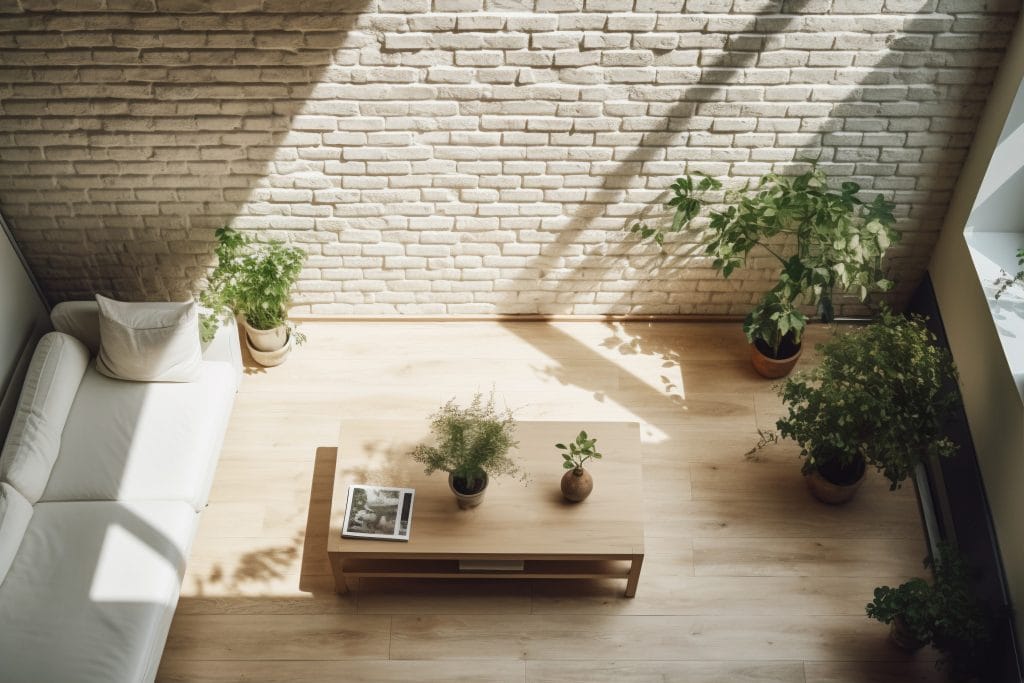
When it comes to home renovation, flooring installation is one of the most transformative changes you can make. New floors can breathe life into any room, from the kitchen to the bathroom, and even add significant value to your property. Whether you’re opting for hardwood, laminate, tile, or vinyl, proper flooring installation can drastically improve the aesthetic and functionality of your home.
In this article, we’ll break down the process of flooring installation, the different types of flooring materials available, and how to choose the best option for your space.
Why Flooring Matters
Your home’s flooring is more than just a surface to walk on—it plays a crucial role in setting the tone for the entire room. Here’s why flooring is so important:
- Aesthetic Appeal: Flooring can complement your home’s style, whether it’s rustic, modern, or traditional. The right floor can help create the mood and look you’re after.
- Durability: Different materials offer varying levels of durability, meaning some are more suitable for high-traffic areas than others.
- Comfort: Flooring can impact the comfort of your home. For instance, carpet can make a room feel cozy, while tile can offer a cool, sleek look perfect for kitchens and bathrooms.
- Value: Quality flooring can increase the resale value of your home, making it a wise investment.
Types of Flooring Materials
The first step in flooring installation is choosing the right material for your space. There’s no shortage of options available, and the best choice for you will depend on factors like style, durability, and budget.
1. Hardwood Flooring
Hardwood floors are timeless, offering warmth and elegance to almost any room. They come in a variety of species, colors, and finishes, and can add a natural charm to your home.
- Pros: Durable, increases home value, natural appearance, can be refinished.
- Cons: Expensive, susceptible to scratches, and may need refinishing over time.
2. Laminate Flooring
Laminate is a budget-friendly alternative to hardwood and is designed to look like wood, stone, or tile. It’s easy to clean and highly resistant to scratches and fading.
- Pros: Affordable, low maintenance, easy to install, available in many designs.
- Cons: Not as durable as real hardwood, can’t be refinished.
3. Vinyl Flooring
Vinyl flooring is a versatile, waterproof option that’s perfect for high-moisture areas like bathrooms and kitchens. It’s available in planks, tiles, and sheets and can mimic the look of wood or stone.
- Pros: Affordable, waterproof, easy to install, easy to clean.
- Cons: Can dent or scratch easily, may not have the same aesthetic appeal as natural materials.
4. Tile Flooring
Tile is a popular option for kitchens, bathrooms, and entryways due to its durability and easy maintenance. Available in ceramic, porcelain, and stone, tile offers endless design possibilities.
- Pros: Durable, water-resistant, variety of styles, easy to clean.
- Cons: Cold underfoot, grout lines require maintenance, can be hard to install.
5. Carpet Flooring
Carpet is soft underfoot, making it an excellent choice for bedrooms, living rooms, and areas where comfort is key. It comes in a wide variety of textures, colors, and patterns.
- Pros: Comfortable, sound-absorbing, comes in many styles.
- Cons: Prone to stains and dirt, needs regular cleaning, can wear out faster in high-traffic areas.
Flooring Installation Process
Installing new flooring may seem intimidating, but with the right tools and a little patience, it can be a manageable DIY project—or you can hire a professional for a more seamless experience. Here’s a breakdown of the flooring installation process:
1. Preparation:
Before installing new floors, you’ll need to clear the area of furniture and remove any old flooring. Ensure the subfloor is clean, dry, and level, as any imperfections can affect the installation.
2. Measuring:
Accurate measurements are key to ensuring you purchase the right amount of flooring. Measure the length and width of the room to calculate square footage. Always add 10% extra to account for waste and mistakes.
3. Installing the Underlayment (if needed):
Some types of flooring, such as laminate and vinyl, require an underlayment layer to provide cushioning and soundproofing. It also helps the flooring adhere better to the subfloor.
4. Laying the Flooring:
Start by laying the flooring along the longest wall or a central point in the room. For hardwood and laminate, you may need to nail or click the planks into place. For tile, apply adhesive to the subfloor and carefully place each tile, leaving room for grout lines.
5. Cutting Flooring:
You’ll likely need to cut pieces of flooring to fit around corners, doorways, and edges. Use the appropriate cutting tool, such as a tile cutter or saw, to make precise cuts.
6. Finishing Touches:
Once your flooring is installed, install any necessary transition strips to cover the gaps between the floor and walls. For hardwood or laminate, consider applying a finishing coat to protect the surface.
How to Choose the Best Flooring for Your Home
Choosing the right flooring depends on several factors:
- Room Function: Consider how the room will be used. For example, waterproof vinyl or tile is perfect for bathrooms and kitchens, while plush carpet is ideal for bedrooms.
- Budget: Some materials, like hardwood, can be expensive, while others, like laminate or vinyl, are more affordable. Set a budget before shopping.
- Style Preferences: Choose a floor that complements your home’s design and your personal aesthetic. Whether you prefer a classic hardwood look or a modern tile design, there are countless options to suit every taste.
- Durability Needs: If you have kids or pets, look for flooring that can withstand wear and tear, like laminate or tile. If you’re in a high-traffic area, choose a more durable option that won’t show scratches easily.
Conclusion: Transform Your Home with Flooring Installation
Whether you’re renovating an entire home or updating a single room, flooring installation is one of the most effective ways to enhance your space. With so many options available, there’s a flooring material to match every style, need, and budget. By choosing the right type of flooring and following the proper installation steps, you can transform your home into a more beautiful, functional space that will last for years to come.