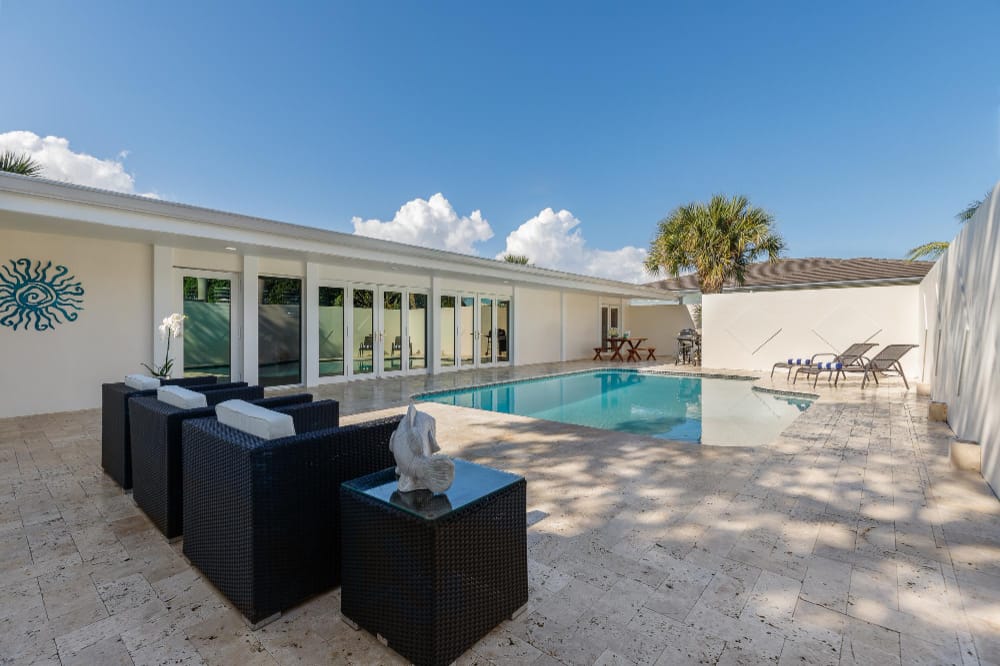
Homeowners are increasingly looking for ways to maximize the potential of their outdoor space. Those searching for Backyard Guest House or Studio are often interested in creating a versatile space that offers privacy, comfort, and long-term functionality.
A backyard guest house or studio can serve multiple purposes, from housing family members and overnight guests to providing a dedicated home office or creative workspace. These structures allow homeowners to expand their living options without dramatically altering the primary residence.
Whether you need additional living quarters, a personal retreat, or a future rental opportunity, a backyard studio can become one of the most valuable additions to your property.
Why Backyard Studios Are Growing in Popularity
Modern homeowners value flexibility and efficient use of property.
Popular benefits include:
- Additional living space
- Greater privacy
- Multi-functional use
- Potential rental income
- Increased property value
Flexible spaces adapt to changing household needs.
What Is a Backyard Guest House or Studio?
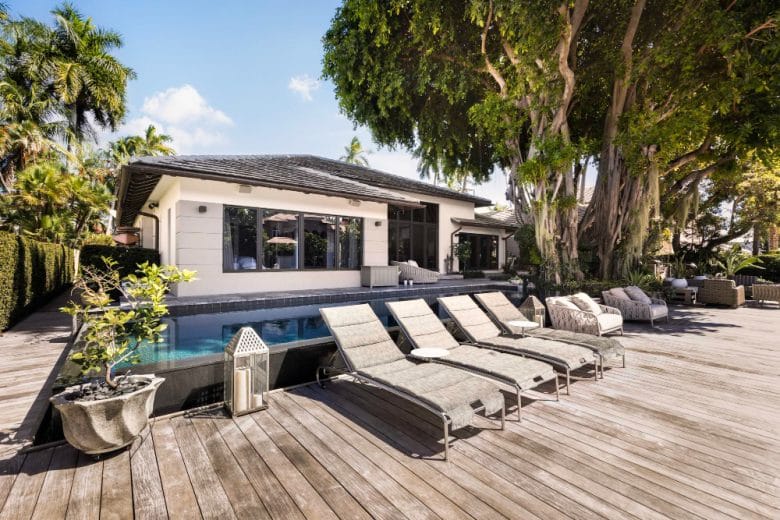
A backyard guest house is a detached structure built separately from the primary residence.
Homeowners researching Backyard Guest House or Studio often appreciate its versatility and long-term value.
Popular uses include:
- Guest accommodations
- Home offices
- Art studios
- Fitness rooms
These structures provide endless possibilities.
Guest Accommodations Offer Privacy and Comfort
Separate spaces improve everyone’s experience.
Benefits include:
- Private entrances
- Independent living areas
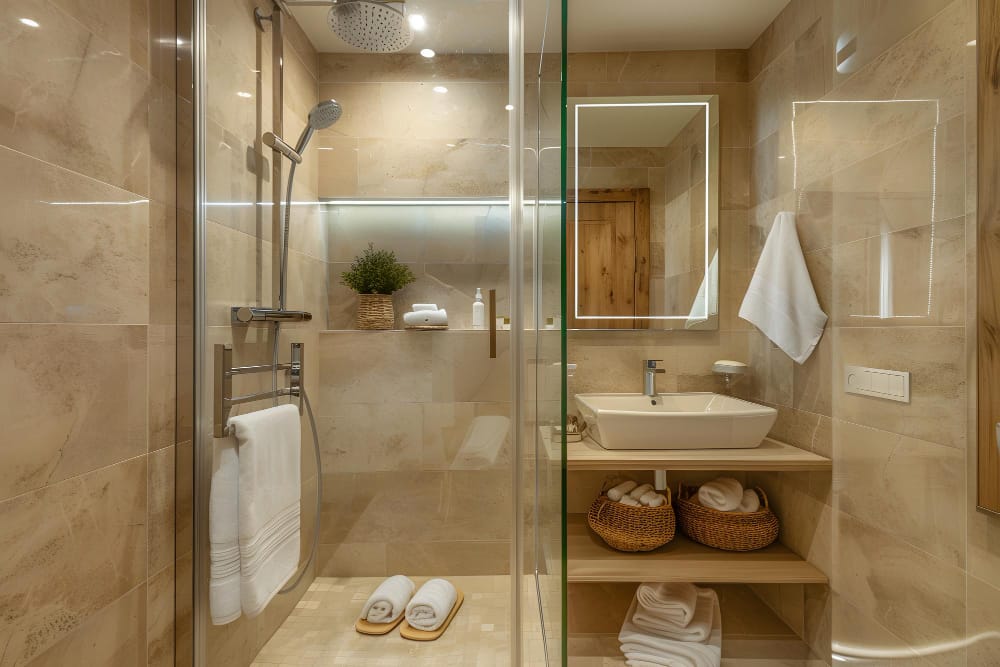
- Dedicated bathrooms
- Quiet environments
Guests enjoy greater comfort during visits.
Home Offices Improve Productivity
Remote work continues to influence home design.
Popular office additions include:
- Built-in desks
- Storage cabinets
- Sound insulation
- High-speed internet access
Dedicated workspaces minimize distractions.
Creative Studios Inspire New Hobbies
Backyard studios support personal interests.
Popular uses include:
- Art rooms
- Music studios
- Craft workshops
- Photography spaces
Private studios encourage creativity.
Flexible Designs Support Future Needs
Household needs can change over time.
Future uses may include:
- Senior living
- Adult children housing
- Rental opportunities
- Personal retreats
Flexible spaces adapt to life changes.
Detached Backyard Studios Create Independent Living Areas
Separate structures provide greater independence.
Many homeowners also explore Detached Backyard Studio options when designing private outdoor living spaces.
Advantages include:
- Noise reduction
- Enhanced privacy
- Improved property use
- Greater flexibility
Detached spaces create comfortable environments.
Energy Efficiency Reduces Long-Term Costs
Modern studios prioritize sustainability.
Energy-saving features include:
- Efficient insulation
- Energy-efficient windows
- LED lighting
- Smart thermostats
Efficient systems reduce operating expenses.
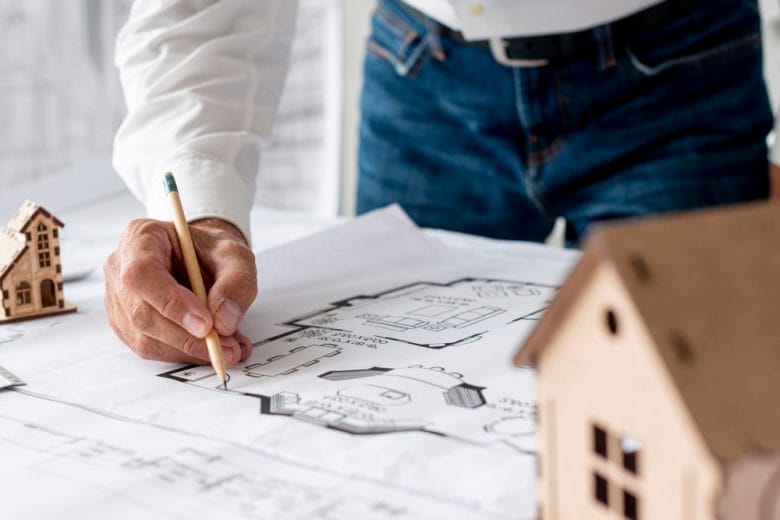
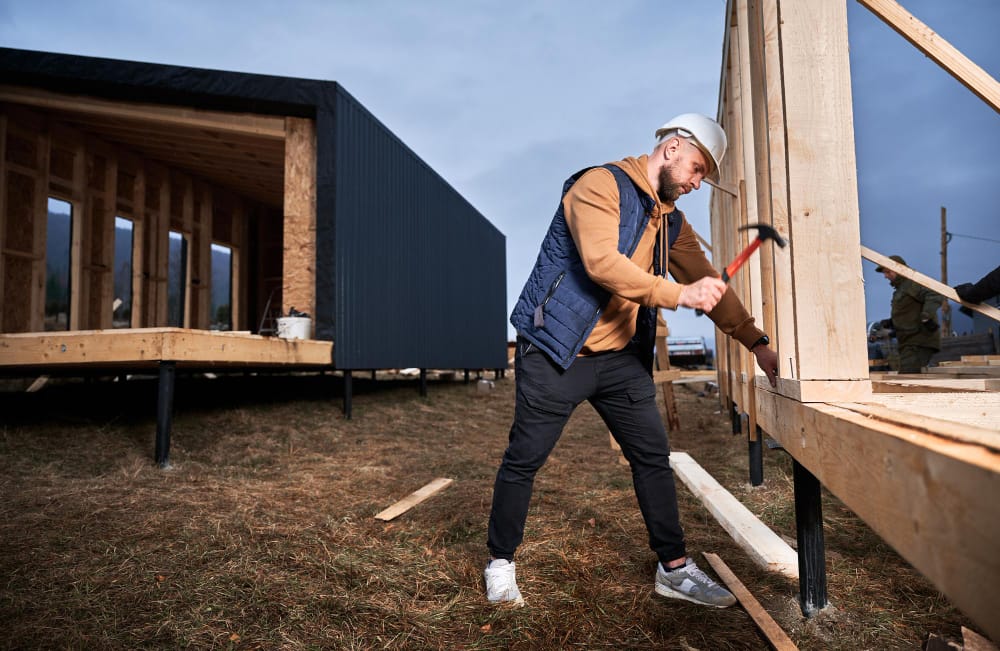
Professional Planning Ensures Successful Construction
Outdoor structures require careful preparation.
Professional services include:
- Site evaluations
- Permit assistance
- Architectural planning
- Project management
Professional guidance helps avoid delays.
Backyard Studios Increase Property Value
Additional living space appeals to buyers.
Many homeowners also research Backyard Guest Studio projects when planning long-term investments.
Value-boosting benefits include:
- Greater functionality
- Improved marketability
- Enhanced buyer confidence
- Future flexibility
Additional structures often provide excellent returns.
How Backyard Studios Support Modern Living
Multi-purpose spaces simplify everyday life.
Popular uses include:
- Remote work
- Guest housing
- Creative projects
- Personal wellness
Flexible spaces support changing lifestyles.
Questions Homeowners Should Ask Before Starting
- How will the space be used?
- Should I include a bathroom?
- Do I need a kitchenette?
- How can energy efficiency be improved?
- What is my construction budget?
These answers simplify project planning.
Common Backyard Studio Mistakes to Avoid
- Ignoring local regulations
- Underestimating storage needs
- Skipping professional planning
- Choosing inefficient layouts
- Overlooking future flexibility
Thoughtful planning ensures successful outcomes.
Final Thoughts
Investing in a professional Backyard Guest House or Studio allows homeowners to create flexible, comfortable, and highly functional living spaces.
From guest accommodations and home offices to creative studios and future rental opportunities, every feature contributes to long-term value.
By choosing quality Backyard Guest House or Studio, homeowners can maximize their property’s potential for years to come.