
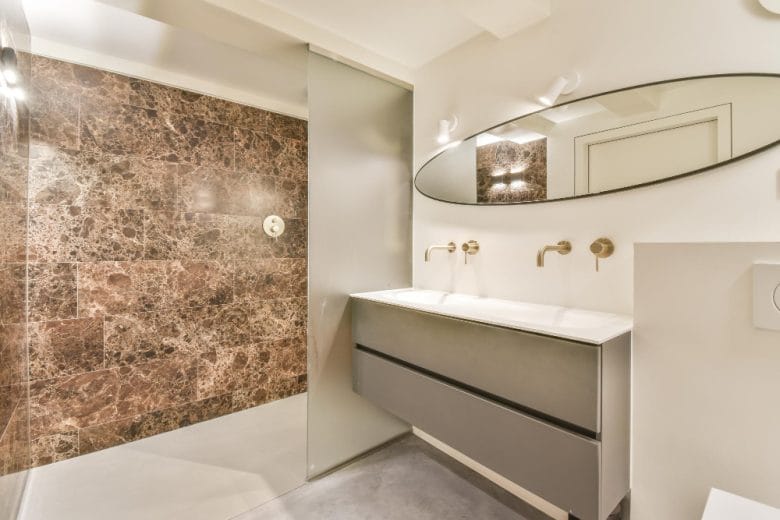
Bathroom needs change throughout a homeowner’s life. A layout that worked years ago may no longer provide the comfort, accessibility, or functionality a family requires today. This is why many homeowners invest in bathroom conversions to adapt their spaces to evolving lifestyles while increasing long-term property value.
Bathroom conversions allow homeowners to reconfigure existing layouts without necessarily expanding the room itself. Whether replacing a bathtub with a walk-in shower or redesigning an entire floor plan, these projects can significantly improve daily living.
What Is a Bathroom Conversion?
A bathroom conversion involves changing the layout, fixtures, or overall functionality of an existing bathroom to better meet a homeowner’s current needs.
Unlike simple cosmetic upgrades, conversions often involve rethinking how the space is used.
Why Homeowners Choose Bathroom Conversions
Changing lifestyles frequently drive these remodeling decisions.
Common reasons include:
- Improving accessibility
- Increasing storage
- Modernizing layouts
- Enhancing comfort
- Boosting home value
These improvements help create more efficient and enjoyable spaces.
Popular Bathroom Conversion Projects
There are numerous ways to reconfigure a bathroom depending on household needs.
Some of the most common projects include:
- Bathtub-to-shower conversions
- Shower-to-bathtub conversions
- Double vanity installations
- Layout reconfigurations
- Storage additions
Each project can significantly improve usability.
Walk-In Showers Continue to Gain Popularity
Many homeowners replace traditional tubs with spacious walk-in showers.
Homeowners researching bathroom layout conversions often prioritize open shower designs because they create a more spacious atmosphere.
Benefits include:
- Improved accessibility
- Contemporary appearance
- Easier maintenance
- Greater comfort
- Visual openness
These advantages have made walk-in showers a leading trend.
Storage Improvements Reduce Clutter
Storage is one of the most overlooked aspects of bathroom design.
Modern conversions frequently incorporate:
- Custom vanities
- Linen cabinets
- Floating shelves
- Built-in niches
Improved organization creates more relaxing environments.
Accessibility Is a Growing Priority
Many homeowners now plan their bathrooms with long-term usability in mind.
Accessibility upgrades may include:
- Curbless showers
- Wider pathways
- Comfort-height vanities
- Barrier-free designs
These additions support aging in place and improve safety.
Lighting Plays an Important Role
Lighting greatly influences both functionality and ambiance.
Modern bathrooms often incorporate:
- Recessed lighting
- Vanity fixtures
- Accent lighting
- Natural daylight
Balanced illumination creates comfortable spaces.
Materials Influence Long-Term Performance
Durable materials are essential because bathrooms experience constant moisture exposure.
Popular selections include:
- Porcelain tile
- Quartz countertops
- Composite surfaces
- Glass enclosures
- Water-resistant flooring
Quality materials help extend the lifespan of the renovation.
Waterproofing Is Essential
Effective waterproofing protects hidden structural components from moisture damage.
Proper systems help preserve:
- Subfloors
- Wall framing
- Insulation
- Adjacent rooms
Moisture control is one of the most critical aspects of successful remodeling.
Professional Installation Is Highly Recommended
Bathroom conversions involve multiple systems that require expert coordination.
Professional installers help ensure:
- Accurate measurements
- Reliable plumbing
- Safe electrical systems
- Proper waterproofing
- Long-term durability
Expert workmanship protects the entire investment.
Bathroom Conversions Can Increase Home Value
Updated bathrooms remain highly attractive to prospective buyers.
Homeowners researching bathroom remodeling conversions often discover that these upgrades improve both functionality and market appeal.
Modern bathrooms frequently influence purchasing decisions.
Who Benefits Most from Bathroom Conversions?
These projects may be especially beneficial for homeowners who:
- Have outdated layouts
- Need accessibility upgrades
- Want additional storage
- Plan long-term occupancy
- Are preparing for resale
These households often see significant long-term benefits.
What Should Homeowners Consider Before Starting?
Successful conversions begin with clear planning.
Important considerations include:
- Household needs
- Available space
- Budget goals
- Accessibility requirements
- Future lifestyle changes
Thoughtful planning helps ensure successful outcomes.
Final Thoughts on Bathroom Conversions
Bathroom conversions are an excellent way to adapt your home to changing needs while improving comfort, efficiency, and long-term value. By rethinking layouts and incorporating modern features, homeowners can create spaces that better support their everyday lives.
With quality materials, professional installation, and thoughtful planning, a bathroom conversion can deliver lasting benefits that homeowners enjoy for many years to come.
 SBAdmin