
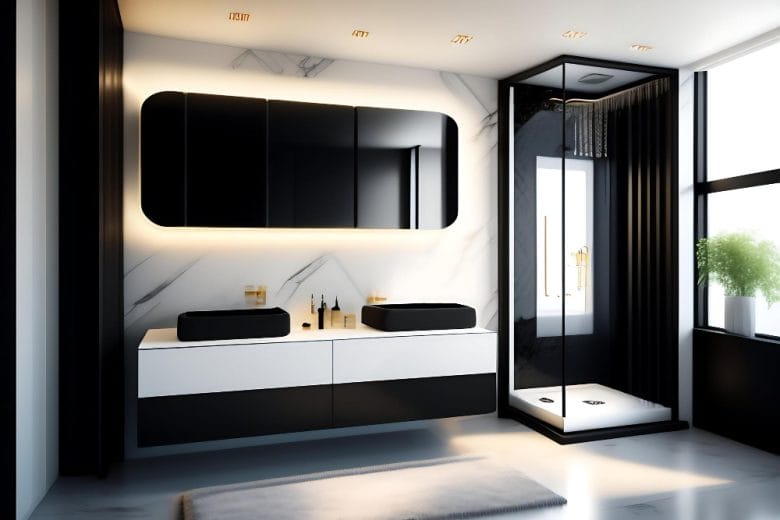
Bathroom remodeling involves countless decisions that influence both aesthetics and everyday usability. While homeowners often focus on countertops, lighting, and fixtures, one detail that significantly affects comfort is vanity height. Choosing the proper height can improve ergonomics, increase functionality, and enhance the overall bathroom experience.
Modern bathroom design has evolved considerably over the years, and today’s vanities are often taller than those installed in older homes. Understanding available height options can help homeowners create bathrooms that are both comfortable and timeless.
Why Vanity Height Matters
The bathroom vanity is one of the most frequently used fixtures in the home. Proper dimensions help reduce strain while improving convenience during daily routines.
Selecting the right height can contribute to:
- Improved comfort
- Better posture
- Enhanced accessibility
- Greater functionality
- Long-term usability
These factors make vanity height an essential consideration during remodeling projects.
How Vanity Heights Have Changed Over Time
Older homes often feature lower vanities that were designed according to outdated construction standards. Modern bathroom trends have shifted toward taller designs that better accommodate contemporary lifestyles.
Today’s homeowners generally prefer vanity heights that provide greater comfort during everyday tasks.
What Is the Standard Vanity Height?
While exact dimensions vary by manufacturer, certain sizes have become widely accepted throughout the industry.
Homeowners researching bathroom vanity height standards often discover two primary categories.
Common Vanity Heights Include:
- Traditional height options
- Comfort height designs
The best choice depends on household needs and personal preferences.
Comfort Height Vanities Continue to Grow in Popularity
Comfort-height vanities have become one of the biggest trends in modern bathroom design because they improve ergonomics and reduce bending.
Many homeowners find these designs more comfortable for daily activities such as brushing teeth, washing hands, and grooming.
Household Members Should Influence the Decision
Every family has different needs. Height selection should reflect the people who will use the bathroom most often.
Considerations may include:
- Adult users
- Children
- Multi-generational households
- Long-term accessibility goals
Tailoring dimensions to household needs helps improve everyday comfort.
Primary Bathrooms Often Benefit from Taller Vanities
Primary bathrooms frequently prioritize luxury and convenience. Taller vanities help create upscale environments while improving functionality.
Double vanities are especially popular because they provide additional workspace and support multiple users.
Guest Bathrooms May Have Different Requirements
Guest bathrooms are often smaller and may require different design considerations.
Homeowners may prioritize:
- Space efficiency
- Simple layouts
- Universal accessibility
- Balanced proportions
These factors help maintain comfortable and practical spaces.
Countertop Thickness Affects Overall Height
Countertop materials add additional height to the vanity system.
Homeowners should account for:
- Quartz surfaces
- Granite countertops
- Marble slabs
- Integrated sinks
Proper planning ensures the final dimensions remain comfortable.
Accessibility Should Be Considered Early
Many homeowners now incorporate accessibility planning into their remodeling projects.
Long-term considerations may include:
- Comfortable reach zones
- Open floor space
- Easy movement pathways
- Future mobility needs
Thoughtful planning helps bathrooms remain functional for years to come.
Professional Design Helps Optimize Dimensions
Accurate measurements are essential for successful bathroom remodeling.
Professional designers help ensure:
- Proper proportions
- Comfortable ergonomics
- Balanced layouts
- Long-term functionality
Expert guidance helps homeowners avoid costly mistakes.
Understanding Standard Vanity Heights
Homeowners researching standard vanity height often discover that comfort and usability have become top priorities in modern bathroom design.
Today’s trends favor dimensions that support both aesthetics and practical everyday living.
Can Vanity Height Increase Home Value?
Updated bathrooms remain one of the most desirable features among prospective buyers.
Comfortable and functional layouts often create stronger impressions and contribute positively to overall market appeal.
Who Benefits Most from Comfort-Height Vanities?
These designs may be especially beneficial for homeowners who:
- Prioritize ergonomics
- Plan long-term occupancy
- Have taller household members
- Are remodeling primary bathrooms
- Want modern aesthetics
These households often appreciate the improved daily convenience.
Final Thoughts on Vanity Height
Vanity height is a small design detail that can dramatically influence comfort and usability. Choosing the appropriate dimensions helps create bathrooms that support daily routines while enhancing overall aesthetics.
By considering household needs, accessibility goals, and modern design standards, homeowners can create bathrooms that remain functional, beautiful, and comfortable for many years to come.
 SBAdmin