
As the world becomes more conscious of energy consumption, homeowners are increasingly seeking ways to reduce their carbon footprints and save on utility bills. Energy-efficient upgrades are a smart investment that not only benefit the environment but also make your home more comfortable and cost-effective. From insulation improvements to modern windows, there are a variety of upgrades that can help lower your energy consumption and improve your home’s performance. In this article, we’ll explore the most popular energy-efficient upgrades you can make to your home and how they can help you save in the long run.
1. Start with Proper Insulation
The first step to achieving an energy-efficient home is ensuring that your insulation is up to date. Insulation helps keep your home at a comfortable temperature by reducing heat loss in the winter and keeping cool air inside during the summer. Without proper insulation, your heating and cooling systems have to work harder, leading to higher energy bills.
Consider upgrading attic, wall, and floor insulation to improve your home’s energy efficiency. Spray foam insulation, fiberglass batts, and blown-in cellulose are popular materials that provide excellent thermal resistance. Insulating your home properly also reduces strain on HVAC systems, extending their lifespan and improving your overall comfort.
2. Energy-Efficient Windows
Old, drafty windows are a significant source of energy loss in many homes. Replacing outdated windows with energy-efficient models can drastically improve your home’s insulation. Modern windows come with a variety of features designed to reduce energy loss, including double-glazed glass, Low-E coatings, and gas fills like argon, which help to reduce heat transfer.
Energy-efficient windows can keep your home warm during the winter and cool during the summer, reducing your reliance on air conditioning and heating systems. While the initial cost of window replacement can be significant, the long-term savings on utility bills and the added comfort make it a worthwhile investment.
3. Upgrade to Energy-Efficient Appliances
One of the easiest ways to reduce your home’s energy consumption is by replacing old appliances with newer, energy-efficient models. Energy-efficient appliances, such as refrigerators, dishwashers, washing machines, and dryers, consume less electricity and water, making them eco-friendly and budget-friendly.
Look for appliances that are certified by ENERGY STAR, which indicates that they meet strict energy efficiency standards. These appliances are designed to use less energy without sacrificing performance, helping you save money in the long run. For example, an ENERGY STAR-rated refrigerator can save you hundreds of dollars over its lifespan compared to a non-efficient model.
4. Smart Thermostats for Temperature Control
A smart thermostat is one of the easiest ways to save energy and money. Unlike traditional thermostats, which require manual adjustments, smart thermostats learn your home’s temperature patterns and adjust automatically to optimize energy use. You can also control smart thermostats remotely via a smartphone app, ensuring your home is always at the perfect temperature without wasting energy.
By programming your smart thermostat to lower the temperature while you’re away or sleeping, you can significantly reduce heating and cooling costs. Some models even have features like geofencing, which adjusts the temperature when you’re nearby, further optimizing your energy savings.
5. Energy-Efficient Lighting
Switching out your old incandescent light bulbs for LED bulbs is a simple yet effective upgrade for any home. LED bulbs use up to 75% less energy than incandescent bulbs and can last up to 25 times longer, making them a cost-effective lighting option in the long run.
Additionally, you can install motion sensors or dimmer switches to reduce unnecessary energy usage. By automatically turning off lights when no one is in the room or adjusting their brightness, you can save even more energy while still maintaining an inviting atmosphere in your home.
6. Solar Panel Installation
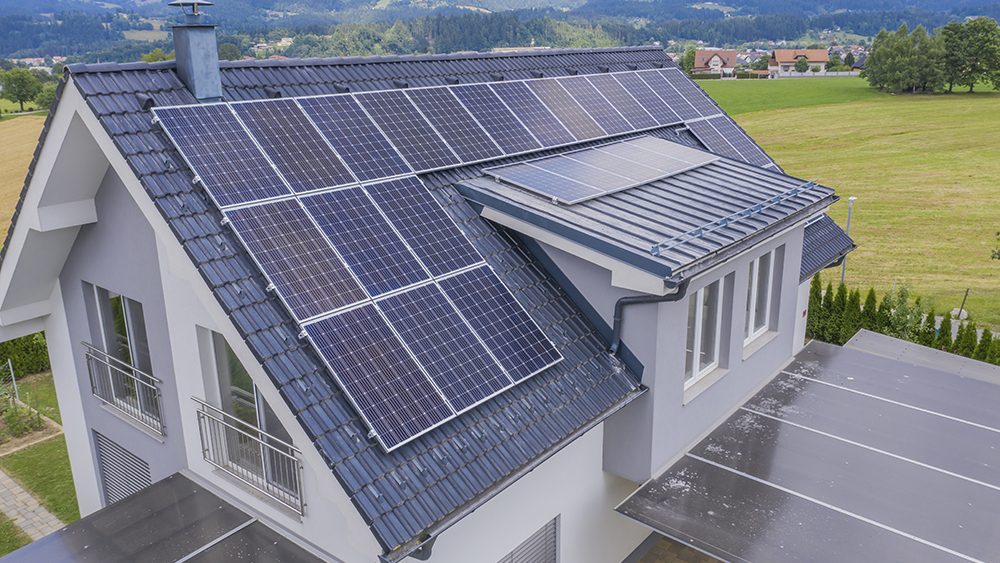
For homeowners looking to take energy efficiency to the next level, installing solar panels is a powerful upgrade. Solar energy systems harness the power of the sun to generate electricity for your home, reducing your reliance on traditional energy sources and lowering your utility bills.
While the upfront costs of solar panel installation can be high, federal and state incentives, tax credits, and rebates can significantly reduce the cost of installation. Over time, solar panels can save you thousands of dollars on electricity bills and increase your home’s value.
7. Seal Air Leaks and Gaps
Air leaks around doors, windows, and ducts can account for a significant amount of energy loss. By sealing gaps and cracks, you can improve your home’s insulation and reduce the workload on your heating and cooling systems.
Caulking and weatherstripping are simple and affordable solutions for sealing air leaks. You can also consider using foam sealants or spray foam insulation to fill larger gaps. Sealing air leaks is a quick and easy way to make your home more energy-efficient without requiring a major renovation.
8. Upgrade Your Water Heater
Water heating can account for a significant portion of your energy bill. Upgrading to an energy-efficient water heater, such as a tankless water heater or a solar water heater, can significantly reduce your energy usage.
Tankless water heaters, also known as on-demand water heaters, only heat water when it’s needed, reducing energy waste. They are more compact and efficient than traditional storage water heaters, which continuously heat and store water. Solar water heaters use the sun’s energy to heat water, providing an environmentally friendly and cost-effective option for homeowners looking to reduce their energy consumption.
9. Landscaping for Energy Efficiency
Did you know that the landscaping around your home can also impact your energy efficiency? Planting trees and shrubs strategically can help provide natural shade and windbreaks, reducing the need for air conditioning during hot months and lowering heating costs during the winter.
Deciduous trees, which lose their leaves in the winter, are ideal for shading your home in the summer while allowing sunlight to warm your home in the winter. Consider consulting a landscaping professional to design an energy-efficient landscape that works in harmony with your home’s natural surroundings.
Conclusion: Start Your Energy-Efficient Upgrade Today
Making energy-efficient upgrades to your home is a win-win situation. Not only do these improvements help reduce your carbon footprint, but they also lower your utility bills, making your home more comfortable and affordable to live in. Whether you’re updating your insulation, installing energy-efficient windows, or adding solar panels, each upgrade brings you one step closer to a more sustainable and cost-effective home. Start planning your energy-efficient upgrades today and enjoy the benefits for years to come.
 SBAdmin