
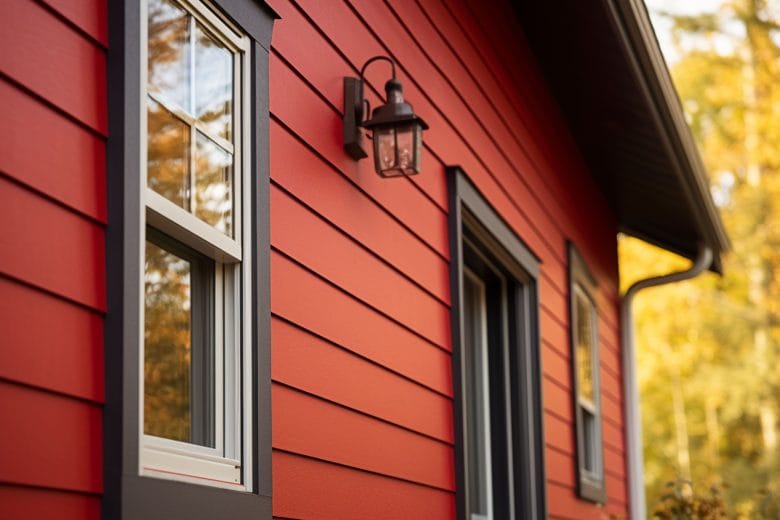
When it comes to maintaining your home, siding plays an essential role in protecting your property and enhancing its curb appeal. Over time, however, siding can suffer from wear and tear due to weather, pests, or general aging. If you notice cracks, warping, or fading, it might be time for some siding repair. Addressing these issues early can save you money and protect your home from further damage.
Why Siding Repair Is Important
Siding is your home’s first line of defense against the elements. It shields your house from rain, wind, sun, and even pests. As the exterior of your home, siding can become damaged over time, especially in areas with extreme weather conditions. Repairing your siding promptly is critical for several reasons:
Preventing Water Damage
One of the most significant threats to your home is water infiltration. Cracked or damaged siding can allow water to seep into your walls, leading to mold, mildew, and rot. Repairing damaged siding prevents this water damage, which can be costly to fix in the long run.Maintaining Energy Efficiency
Damaged siding can also affect your home’s insulation. Gaps or cracks allow air to escape, making it harder to keep your home warm in the winter and cool in the summer. This results in higher heating and cooling bills. Repairing your siding helps maintain your home’s energy efficiency, which can save you money on utility bills.Enhancing Curb Appeal
Your home’s exterior plays a big role in its curb appeal. Damaged or worn-out siding can make your home look neglected, even if the rest of the property is well-maintained. Repairing your siding helps improve your home’s appearance, making it more attractive to visitors or potential buyers if you’re looking to sell.Preventing Further Damage
If you ignore small issues with your siding, they can worsen over time. A minor crack or hole can turn into a bigger problem if left unchecked. Early siding repair can prevent these small problems from escalating into costly, more extensive damage.
Common Siding Problems and How to Repair Them
Siding problems can come in many forms, but most can be addressed with simple repairs. Here are some of the most common issues homeowners face with their siding and how to fix them:
Cracked or Broken Panels
If your siding panels are cracked or broken, they need to be replaced to prevent further damage. For vinyl or fiber cement siding, this typically involves removing the damaged panel and installing a new one in its place. Be sure to match the color and texture of the existing siding for a seamless repair.Loose or Warped Siding
Over time, siding can become loose or warped due to changes in temperature or humidity. Loose siding can be reattached with nails or screws. Warped siding, however, may need to be replaced. In some cases, the warping may be a result of underlying issues like moisture buildup, which should be addressed before reattaching or replacing the siding.Fading or Discoloration
Exposure to sunlight, rain, and other environmental factors can cause siding to fade or discolor. In some cases, a simple power wash can restore the color of your siding. For more significant fading, you may need to repaint or re-stain the siding. If you have vinyl siding, it’s important to use a paint that is compatible with vinyl materials to avoid damaging the surface.Holes and Dents
Siding can get dented or punctured by falling debris, hail, or impact from animals. If you notice small holes or dents in your siding, they can often be patched. Use caulk or a patching compound for minor holes, or replace the affected panel for larger damage. Be sure to inspect the surrounding area to ensure the damage hasn’t spread or caused underlying issues.Moisture and Mold Damage
Moisture damage is a serious issue when it comes to siding. If you notice mold or mildew on your siding, it’s important to clean it promptly to prevent further growth. A mixture of water and bleach can be used to clean most types of siding. However, if the mold has caused damage to the siding itself, you may need to replace the affected panels to prevent further mold growth inside your home.
Professional vs. DIY Siding Repair
While minor siding repairs can be handled by homeowners with some basic tools, larger repairs or replacements may require the expertise of a professional. Here’s a breakdown of when to consider doing the repair yourself or calling in the experts:
DIY Siding Repair:
If you have some experience with home repairs and the damage is relatively minor (e.g., small cracks, holes, or cleaning issues), you can likely handle the repair on your own. Ensure you have the proper tools and materials before starting, and always follow safety guidelines.Professional Siding Repair:
If the damage is extensive or if you’re unsure about tackling the repair, it’s best to call in a professional. Siding repair experts have the experience, tools, and knowledge to complete the job correctly and efficiently. Additionally, they can identify underlying issues that you may not have noticed, such as mold or structural damage.
How to Prevent Siding Damage in the Future
Preventing damage is always easier than repairing it. Here are some tips to keep your siding in top condition for years to come:
Regular Cleaning:
Power wash your siding annually to remove dirt, debris, and mildew buildup. This helps prevent staining and discoloration.Inspect for Damage:
Regularly inspect your siding for cracks, warping, or signs of damage. Catching issues early makes them easier and less expensive to repair.Trim Vegetation:
Keep bushes, trees, and vines trimmed to prevent them from rubbing against your siding or causing moisture buildup.Seal Cracks:
If you notice small cracks or holes, seal them promptly to prevent moisture from entering your home and causing damage.
Conclusion
Siding repair is an essential part of home maintenance. Whether you’re dealing with cracked panels, fading, or moisture damage, addressing siding issues quickly can save you money and protect your home from further damage. Whether you decide to tackle the repair yourself or call in the experts, timely maintenance is the key to keeping your home’s exterior looking great and performing well for years to come.

 SBAdmin