
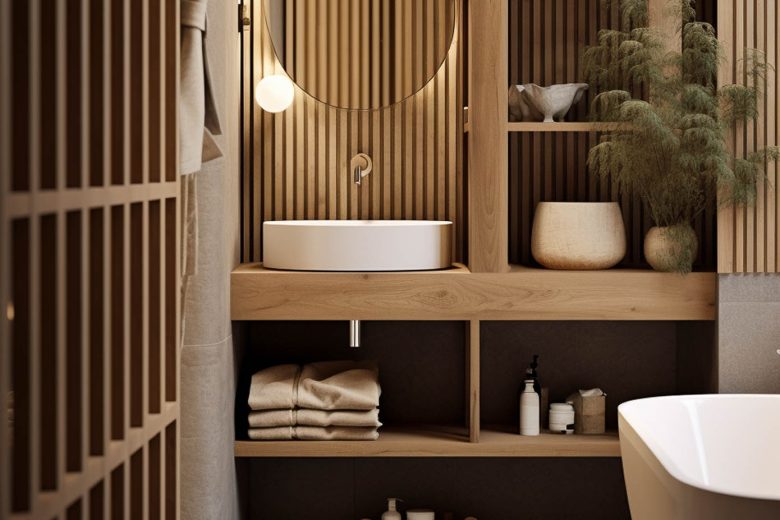
Lighting is one of the most essential elements in any bathroom remodel, as it affects both functionality and ambiance. Proper lighting creates a bright and welcoming space, enhances safety, and adds sophistication. When updating bathroom lighting, consider factors like the types of fixtures, placement, and brightness to create a well-lit and beautiful space.
In this article, we’ll explore different bathroom lighting options, how to select the right lighting for your space, and key installation tips.
Why Update Bathroom Lighting?
Updating your bathroom lighting can elevate the room in several ways:
Improved Functionality
Proper lighting makes tasks like shaving, applying makeup, or getting ready in the morning much easier and more accurate.Enhanced Ambiance
Lighting influences mood. Bright, natural tones create an energizing atmosphere, while dimmable lights can turn the space into a relaxing retreat.Increased Value and Appeal
High-quality lighting is a desirable feature for homeowners and potential buyers alike. Updated lighting can also make the bathroom feel more spacious and luxurious.Energy Efficiency
Modern LED lights use less energy and have longer lifespans than traditional bulbs, which helps save on energy bills and reduces the need for frequent replacements.
Comparing Bathroom Lighting Options
Choosing the right lighting for your bathroom involves understanding different lighting types, each serving specific purposes:
Vanity Lighting
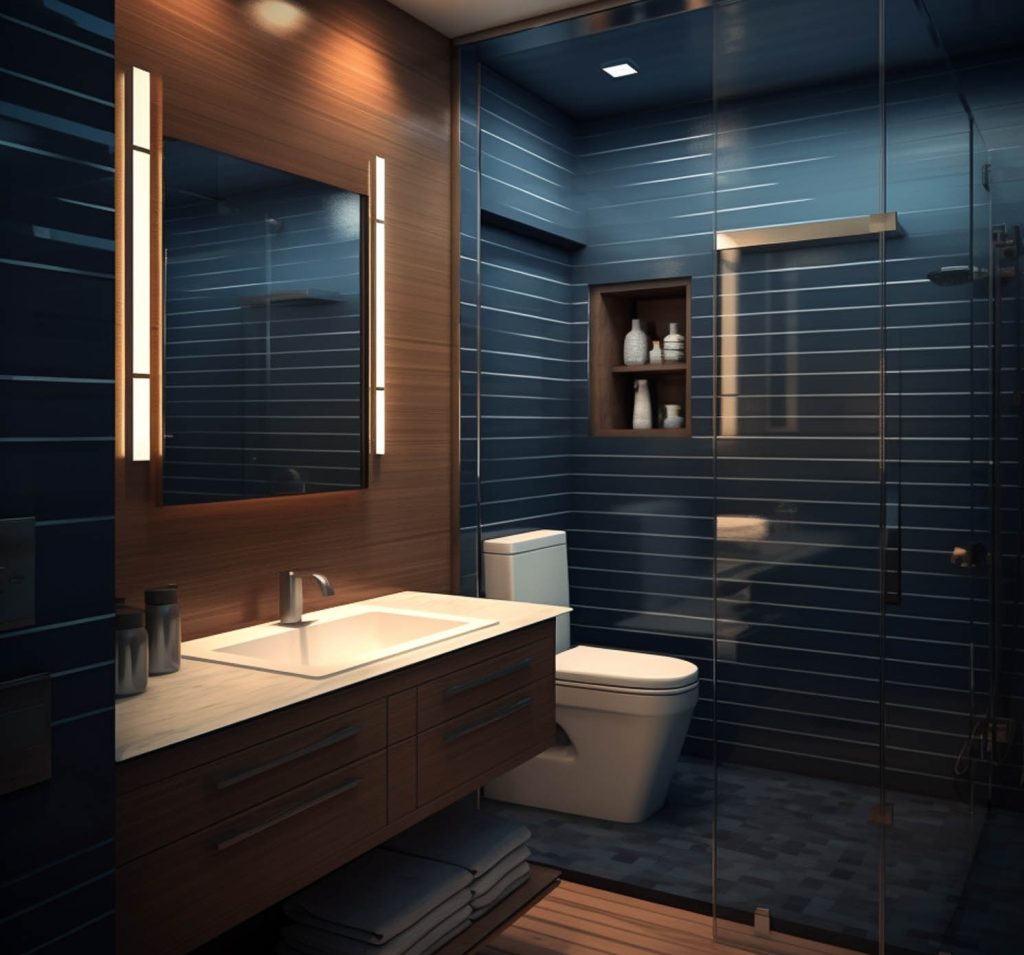
Vanity lights are typically placed above or beside the mirror to provide bright, focused light. Side-mounted sconces at eye level can reduce shadows on the face, while overhead fixtures add general illumination.Ceiling Lights
Recessed lights or flush-mount ceiling fixtures provide general lighting across the bathroom. Recessed lights are a good option for bathrooms with lower ceilings, while pendant lights can add style in larger bathrooms.Accent Lighting
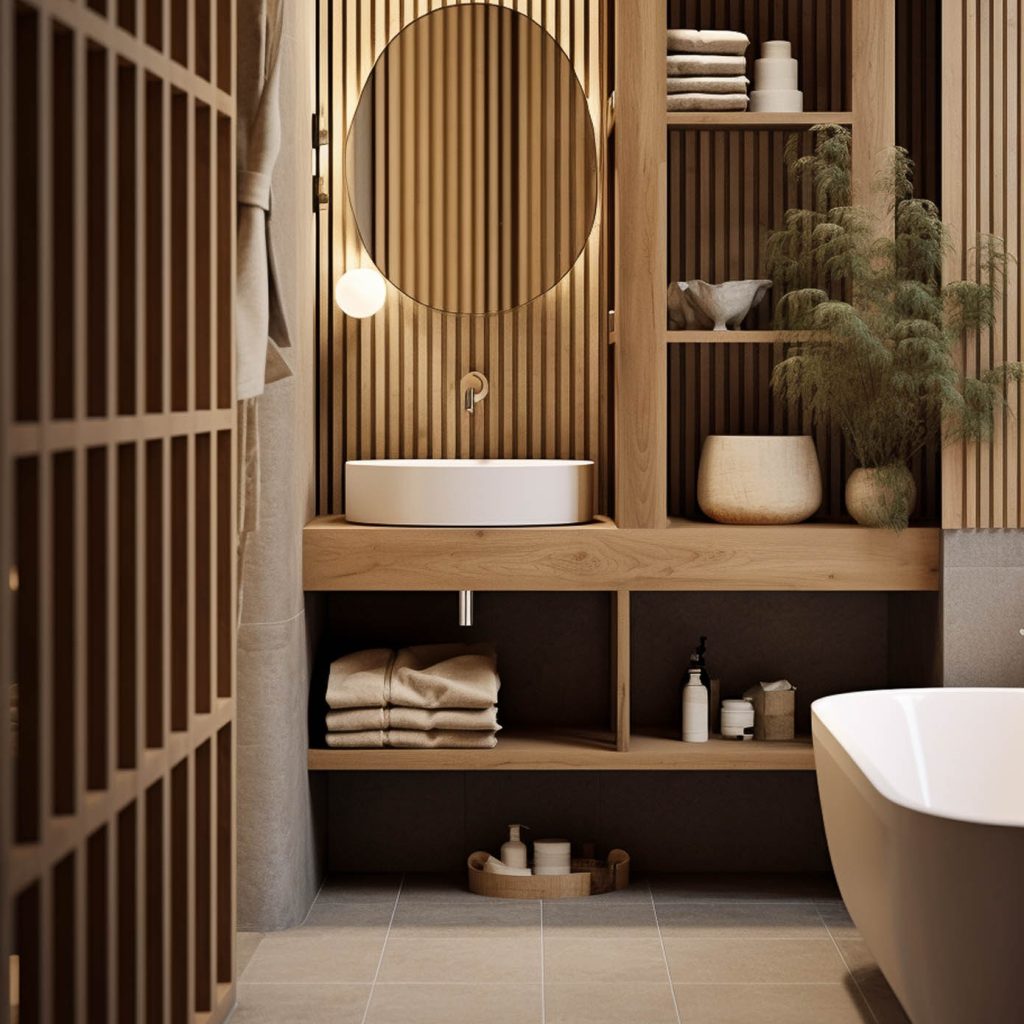
Accent lighting, like strip lights along shelves or backlit mirrors, adds depth and highlights design elements. Accent lights are perfect for creating a spa-like atmosphere.Shower and Tub Lighting
Water-resistant lights designed for wet areas are essential for lighting the shower or bathtub safely. Recessed waterproof lights provide focused illumination while protecting against moisture.Natural Light Enhancements
If possible, consider ways to maximize natural light, such as installing skylights or larger windows. Natural light provides a warm and refreshing feel that complements artificial lighting.
Selecting the Right Lighting for Your Bathroom
When choosing lighting fixtures, keep the following factors in mind to ensure the best results:
Bathroom Size and Layout
In smaller bathrooms, fewer lights may be needed to achieve adequate brightness. In larger bathrooms, layering light with a combination of ceiling, vanity, and accent lights helps illuminate the space effectively.Lighting Temperature and Brightness
Light temperature is crucial for creating the desired mood. Cooler light temperatures (around 4,000K) are ideal for task lighting, while warmer lights (2,700K to 3,000K) add a relaxing ambiance. Dimmable options give you the flexibility to adjust brightness as needed.Design Style
Select lighting fixtures that complement the bathroom’s overall design theme. Sleek, minimalist fixtures pair well with modern bathrooms, while decorative sconces add character to traditional spaces.Energy Efficiency
LED lights are the most energy-efficient option, offering long-lasting performance with minimal energy usage. Many modern LED fixtures are also dimmable, giving you control over light intensity.
Tips for Proper Lighting Installation
Proper installation ensures that lighting fixtures not only look good but also function safely and effectively. Here are some key considerations:
Placement of Vanity Lights
For optimal mirror lighting, mount sconces or fixtures at about 36 to 40 inches apart, around eye level (approximately 65 to 70 inches from the floor). This setup helps eliminate shadows and ensures even lighting for grooming tasks.Safe Installation in Wet Areas
Any light fixture in close proximity to water sources, like a shower or bathtub, should be moisture-rated or waterproof. Ensure these lights have the appropriate rating to prevent issues related to water exposure.Use of Dimmers
Install dimmer switches for flexibility in lighting levels. Dimmers allow you to create different moods in the bathroom, from bright task lighting to a soft, relaxing glow.Considerations for Recessed Lighting
Recessed lighting is ideal for ceilings in showers, bathtubs, and other areas requiring moisture-resistant options. Space the lights about two to three feet apart for an even spread, and avoid placing them directly over the vanity mirror, as it can create shadows.Professional Installation
While changing a bulb is a simple task, installing new lighting fixtures requires expertise to ensure safe wiring, especially in wet areas. Hiring a licensed electrician ensures that the work is up to code and prevents potential hazards.
Estimated Costs for Bathroom Lighting Installation
Bathroom lighting costs vary widely based on fixture types and installation complexity. Here’s a rough breakdown:
- Vanity Lights: $50 to $300 per fixture
- Ceiling Lights: $100 to $500 (recessed lights cost more if wiring adjustments are needed)
- Accent Lighting: $50 to $200
- Shower/Tub Lighting: $100 to $300
- Professional Installation: $100 to $250 per fixture, depending on complexity and location
Final Thoughts on Updating Bathroom Lighting
Bathroom lighting is essential for both functional and aesthetic reasons. By choosing the right combination of vanity, ceiling, and accent lighting, you can create a bathroom that’s both practical and inviting. Considerations like energy efficiency, dimming capabilities, and moisture ratings add convenience and durability to your lighting setup. For best results, professional installation will ensure that your new lighting is safe, code-compliant, and perfectly suited to your bathroom’s unique layout.
 SBAdmin